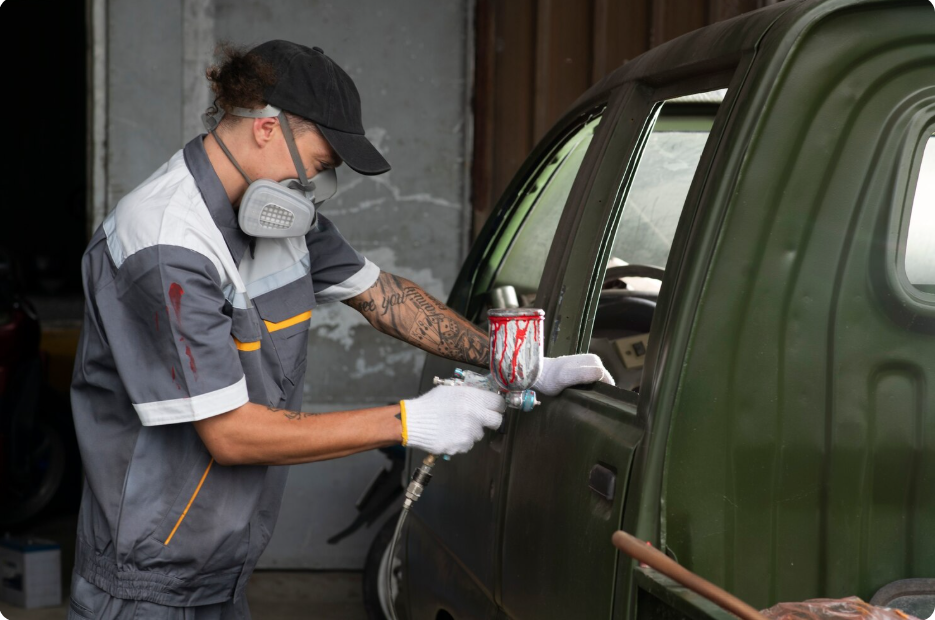
Small scratches, stone chips, and paint marks can make a car look older than it really is. Fortunately, minor exterior damage does not always require an expensive body-shop repair. The right touch-up paint can help restore small damaged areas and protect exposed surfaces from further deterioration.
The most important factor when choosing automotive touch-up paint is the vehicle’s exact factory paint code. A general color name such as black, white, silver, or blue may not be enough because manufacturers can offer multiple shades with similar names. Exact-code products are designed around the vehicle’s original color identification.
Why Choosing the Right Touch Up Paint Matters
Touch-up paint is designed for relatively small repairs rather than repainting an entire vehicle. Choosing the correct product can make the repair less noticeable and provide better protection.
A quality touch-up solution should offer:
- Accurate color matching
- Easy application
- Good coverage
- Suitable finish and gloss
- Compatibility with the vehicle’s existing paint
- Clear-coat protection when required
- An applicator appropriate for the size of the damage
For modern vehicles, the paint system may involve several layers, including primer, color/basecoat, and clear coat. Using only the color layer may not provide the same finished appearance or protection as the original system.
Types of Touch Up Paint for Cars
Touch Up Paint Pens
Paint pens are convenient for tiny scratches and stone chips. Their narrow applicators allow drivers to apply small amounts of paint without covering a large surrounding area.
They are especially useful for:
- Door-edge chips
- Small stone chips
- Tiny scratches
- Small parking-lot marks
- Minor paint imperfections
Brush-On Touch Up Paint
Brush bottles are useful for slightly larger chips and areas where more paint is needed. They can also provide good control when applied carefully in thin layers.
Spray Touch Up Paint
Spray paint is better suited to larger damaged areas where a pen or small brush would leave an obvious repair boundary. Products such as automotive aerosol systems are designed for larger touch-up applications.
How to Find Your Car’s Paint Code
Finding the correct paint code should be the first step before purchasing touch-up paint.
The identification label may be located in areas such as:
- Driver-side door jamb
- Inside the trunk
- Under the hood
- Vehicle identification label
- Manufacturer documentation
The exact location varies by manufacturer and model. If the code is difficult to locate, a dealership can often help identify the vehicle’s original paint code.
Avoid selecting paint based only on the color name. A factory code provides a much more reliable starting point for matching the original finish.
Best Touch Up Paint Options by Repair Type
| Repair Type | Recommended Format | Why It Works |
|---|---|---|
| Tiny stone chip | Paint pen | Precise application |
| Small scratch | Pen or fine brush | Easy control |
| Medium chip | Brush-on kit | Better coverage |
| Larger scratch | Aerosol spray | More even coverage |
| Metallic or pearl finish | Exact-code kit | Better color accuracy |
| Bare-metal damage | Primer + color + clear | Additional protection |
How to Choose the Best Touch Up Paint
Match the Exact Paint Code
This is the most important consideration. Exact-match products are generally preferable to universal colors because they are designed around the manufacturer’s paint identification system.
Consider the Size of the Damage
The applicator should match the repair.
For a tiny chip, a fine pen or small brush offers better control. For a larger scratch, an aerosol system may produce a smoother and more consistent result.
Check the Paint Finish

Solid colors are generally easier to match than metallic, pearl, or multi-stage finishes. These finishes contain additional visual characteristics that can make an incorrect shade or application technique more noticeable.
Look for a Clear Coat
Many automotive finishes require a clear protective layer. Some all-in-one products include a clear topcoat, while other kits require it to be purchased separately.
How to Apply Touch Up Paint Correctly
Good preparation can make as much difference as the paint itself.
Step 1: Clean the Area
Wash and dry the damaged section thoroughly. Remove wax, grease, dirt, and other contaminants.
Step 2: Remove Loose Paint or Rust
If the damage contains loose material or surface rust, carefully clean it before applying paint. Some touch-up products include a preparation tip specifically for this purpose.
Step 3: Apply Primer When Needed
If bare metal is exposed, primer may be appropriate before applying the color coat.
Step 4: Apply Thin Layers
Avoid filling the damaged area with one heavy coat. Thin applications can provide better control and reduce the chance of creating an uneven surface.
Step 5: Apply Clear Coat
Where required by the paint system, apply clear coat after the color layer has dried according to the product instructions.
Step 6: Allow Proper Curing
Do not immediately wash, polish, or aggressively touch the repaired area. Give the paint sufficient time to cure according to the manufacturer’s instructions.
Common Mistakes to Avoid

Even good automotive paint can produce disappointing results when applied incorrectly.
Avoid these common mistakes:
- Choosing paint by color name alone
- Ignoring the factory paint code
- Applying paint over dirt or wax
- Using too much paint at once
- Skipping primer on exposed metal when required
- Forgetting the clear coat
- Using a large brush on a tiny chip
- Attempting to repair extensive body damage with a touch-up pen
For larger scratches, extensive peeling, dents, or significant body damage, professional refinishing may provide a better result than a small touch-up product.
Best Touch Up Paint for Cars: Quick Buying Tips
Before purchasing, ask yourself a few simple questions:
- What is my exact factory paint code?
- How large is the damaged area?
- Is the finish solid, metallic, pearl, or another type?
- Do I need a pen, brush, or spray?
- Does the kit include primer and clear coat?
- Is the product designed for exterior automotive paint?
Dupli-Color, for example, offers both small-repair touch-up products and aerosol options for larger repairs, with an emphasis on exact vehicle color matching.
Final Thoughts
The best touch up paint for cars is not necessarily the most expensive product. The better choice depends on your vehicle’s exact paint code, the size of the damage, the type of finish, and the application method.
For tiny chips and scratches, a color-matched pen can be convenient. For larger areas, an aerosol kit may be more appropriate. Metallic, pearl, and other complex finishes deserve extra attention because accurate color matching becomes particularly important.
Most importantly, prepare the surface carefully and follow the paint manufacturer’s application instructions. A careful repair can help your vehicle maintain a cleaner appearance while addressing minor paint damage before it becomes a larger cosmetic problem.
Frequently Asked Questions
1. What is the best touch up paint for cars?
The best option is usually an automotive touch-up product matched to your vehicle’s exact factory paint code. The right format depends on whether you are repairing a tiny chip, scratch, or larger damaged area.
2. How do I find my car’s paint code?
The paint code is often located on a manufacturer identification label, such as inside the driver’s door jamb, trunk, or under the hood. Location varies by manufacturer and model.
3. Is a paint pen good for car scratches?
Yes. Paint pens are particularly useful for small scratches and chips because they allow controlled application over a relatively small area.
4. Do I need clear coat after touch-up paint?
Many automotive paint systems benefit from a clear coat, particularly when the original vehicle finish uses a basecoat-and-clearcoat system. Always follow the product’s instructions.
5. Can touch-up paint repair deep scratches?
Touch-up paint can improve the appearance of some deep scratches, but extensive damage may require primer, multiple paint layers, clear coat, or professional body repair. A touch-up pen is generally best suited to small areas.
Read more: Car Jobs: Career Opportunities, Skills, and How to Get Started