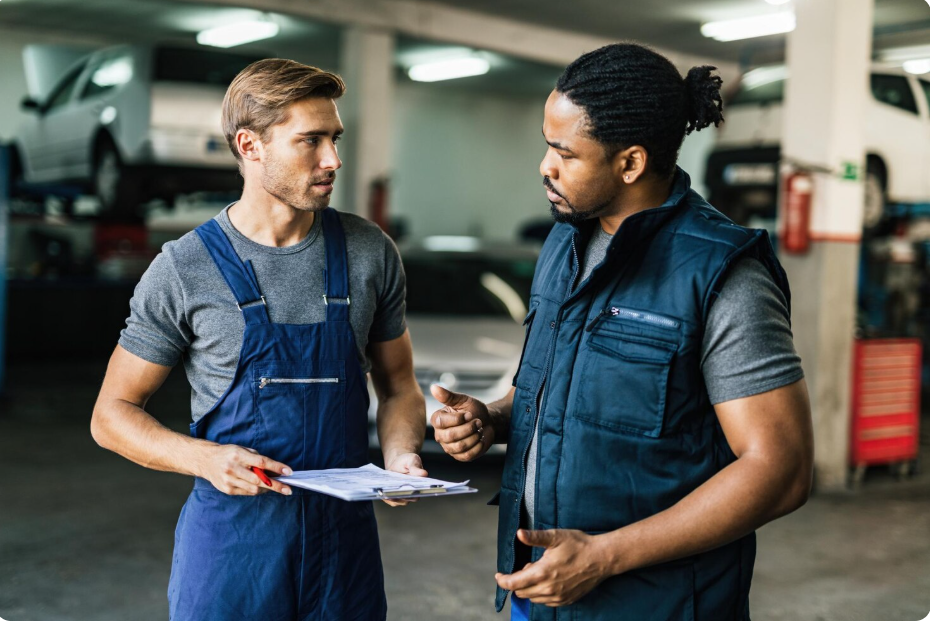
A mechanic plays an important role in keeping vehicles safe, reliable, and properly maintained. Mechanics inspect vehicles, identify mechanical problems, perform repairs, replace damaged components, and carry out regular maintenance. They may work on cars, trucks, motorcycles, commercial vehicles, or specialized machinery depending on their area of expertise.
A clear mechanic job description helps employers attract qualified candidates and helps job seekers understand what a particular position requires. While responsibilities can vary by workplace, most mechanic jobs involve technical knowledge, problem-solving, attention to detail, and a strong understanding of vehicle systems.
What Does a Mechanic Do?
A mechanic is responsible for inspecting, maintaining, diagnosing, and repairing vehicles or mechanical equipment. The job combines practical skills with knowledge of engines, electrical systems, braking systems, suspension, transmissions, and other vehicle components.
Typical responsibilities include:
- Inspecting vehicles for mechanical problems
- Diagnosing faults and determining repair requirements
- Performing routine vehicle maintenance
- Repairing or replacing damaged components
- Checking engines, brakes, suspension, and steering systems
- Using diagnostic tools and mechanical equipment
- Performing oil changes and fluid checks
- Testing vehicles after repairs
- Maintaining accurate service records
- Following workplace and safety procedures
- Communicating repair requirements with customers or supervisors
Common Mechanic Job Responsibilities
Vehicle Inspection and Diagnosis
One of the most important mechanic responsibilities is identifying problems accurately. Mechanics inspect vehicle components and use diagnostic equipment to determine the cause of mechanical or electrical issues.
Accurate diagnosis can prevent unnecessary repairs and help ensure that vehicles return to the road safely.
Repair and Maintenance
Mechanics perform both preventive maintenance and corrective repairs. Preventive maintenance may include oil changes, filter replacement, brake inspections, fluid checks, tire-related work, and other scheduled services.
Repair work can involve engines, transmissions, braking systems, suspension components, steering systems, cooling systems, and electrical components.
Diagnostic Testing
Modern vehicles contain sophisticated electronic systems. Mechanics may use computer diagnostic equipment to identify fault codes and investigate problems that are not immediately visible.
Strong diagnostic skills can be especially valuable as vehicles become more technologically advanced.
Mechanic Job Description Skills
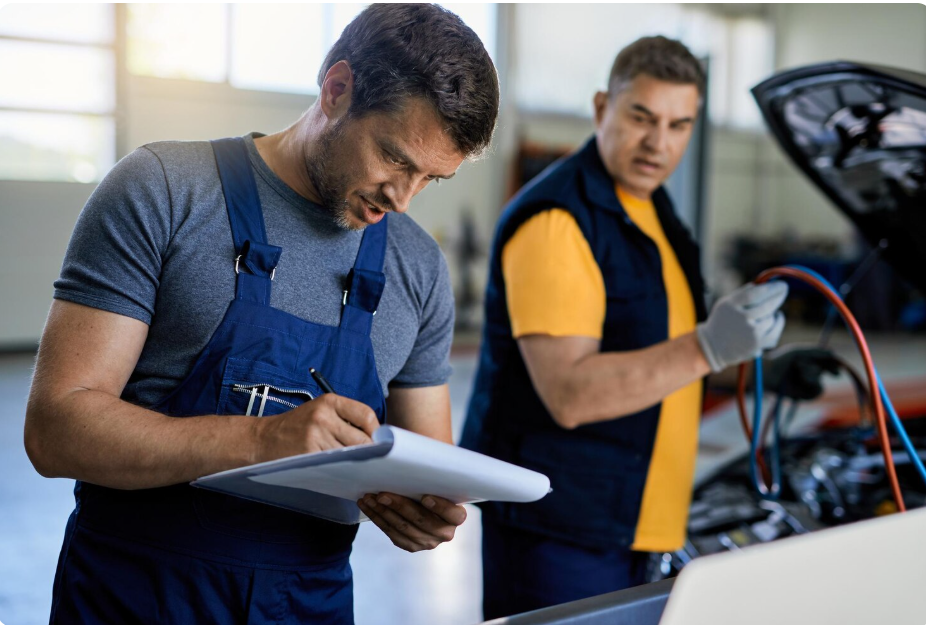
A successful mechanic needs a combination of technical knowledge and practical abilities.
Important Technical Skills
- Engine repair and maintenance
- Brake system knowledge
- Transmission knowledge
- Electrical troubleshooting
- Vehicle diagnostics
- Suspension and steering repair
- Preventive maintenance
- Use of mechanical tools
- Use of diagnostic equipment
- Understanding of vehicle safety systems
Important Soft Skills
Technical ability is only part of the job. Mechanics also benefit from:
- Problem-solving
- Attention to detail
- Communication
- Time management
- Reliability
- Teamwork
- Organization
- Patience
- Willingness to learn
Mechanic Qualifications and Education
Requirements vary according to the employer and position. Entry-level mechanic jobs may accept candidates with vocational training, technical education, apprenticeships, or relevant practical experience.
More advanced positions may require additional certifications, manufacturer-specific training, or several years of professional experience.
Candidates can improve their employment opportunities by developing skills in modern vehicle diagnostics, automotive electronics, hybrid systems, and electric vehicles.
Mechanic Job Description: Role and Skills Table
| Area | Typical Requirement |
|---|---|
| Main Role | Inspect, maintain, diagnose, and repair vehicles |
| Technical Skills | Engines, brakes, suspension, electrical systems |
| Tools | Hand tools, power tools, diagnostic equipment |
| Education | Automotive or mechanical training is often beneficial |
| Soft Skills | Communication, teamwork, attention to detail |
| Work Environment | Garages, dealerships, workshops, service centers |
| Experience | Varies from entry-level to highly experienced |
Types of Mechanic Jobs
The word mechanic covers several different career paths.
Automotive Mechanic
Automotive mechanics primarily work on passenger vehicles. Their duties can include maintenance, diagnostics, engine repairs, brake work, electrical troubleshooting, and general vehicle servicing.
Diesel Mechanic
Diesel mechanics specialize in diesel-powered vehicles and equipment. They may work on trucks, buses, heavy equipment, and commercial vehicles.
Motorcycle Mechanic
Motorcycle mechanics inspect and repair motorcycles, including engines, transmissions, brakes, suspension, electrical systems, and other components.
Fleet Mechanic
Fleet mechanics maintain groups of vehicles operated by companies, transportation businesses, government organizations, or other institutions.
Heavy Equipment Mechanic
These professionals work on construction, agricultural, industrial, or other heavy machinery.
Mechanic Work Environment
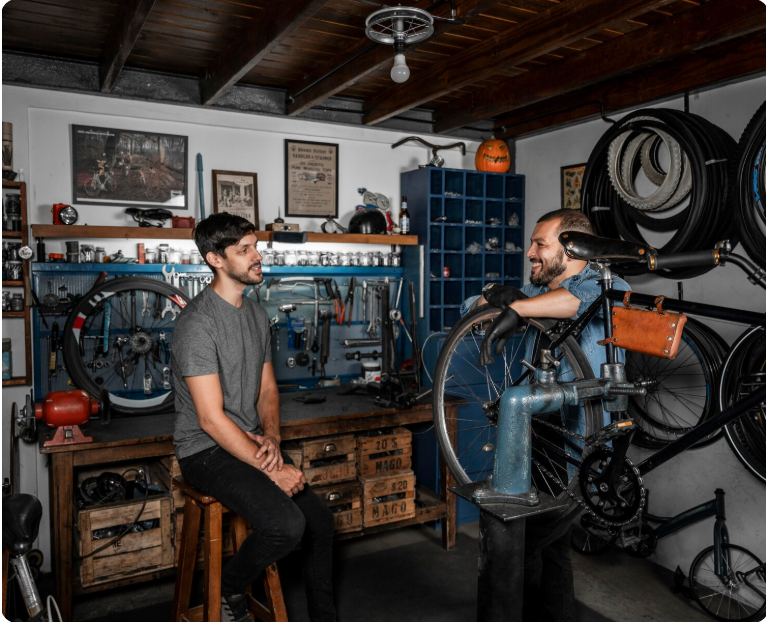
Mechanics commonly work in automotive repair shops, dealerships, service centers, fleet facilities, garages, and specialized workshops.
The job can involve standing for long periods, lifting equipment or components, working around machinery, and operating tools. Because mechanics work with vehicles and mechanical equipment, following appropriate safety procedures is essential.
A mechanic may work independently on assigned repairs or as part of a larger service team.
How to Write a Strong Mechanic Resume
A well-organized resume can help candidates attract attention from employers. Instead of simply listing previous jobs, candidates should highlight relevant technical abilities and accomplishments.
A mechanic resume can include:
- Professional summary
- Automotive experience
- Technical skills
- Certifications and training
- Types of vehicles worked on
- Diagnostic equipment experience
- Education
- Relevant achievements
- Safety knowledge
For experienced mechanics, mentioning specific repair areas can make the resume more useful to employers.
Career Growth for Mechanics
Mechanic careers can provide several opportunities for professional development. An entry-level technician may eventually progress into senior technician, diagnostic specialist, workshop supervisor, service advisor, or service manager positions.
Additional training can also help mechanics specialize in areas such as automotive electronics, diesel systems, hybrid vehicles, electric vehicles, diagnostics, or performance vehicles.
As vehicle technology develops, mechanics who continue learning can remain competitive in the job market.
Tips for Becoming a Successful Mechanic
Anyone interested in this career can take several practical steps:
- Complete relevant automotive training.
- Gain hands-on experience.
- Learn how to use diagnostic equipment.
- Develop strong troubleshooting skills.
- Understand vehicle safety systems.
- Keep up with new automotive technology.
- Practice accurate record keeping.
- Improve communication with customers and coworkers.
- Follow workshop safety procedures.
- Consider specialized certifications and training.
Frequently Asked Questions
1. What is a mechanic job description?
A mechanic job description explains the duties, responsibilities, qualifications, skills, and working conditions associated with a mechanic position.
2. What are the main duties of a mechanic?
Common duties include vehicle inspection, diagnosis, maintenance, repairs, component replacement, diagnostic testing, and post-repair vehicle checks.
3. What skills should a mechanic have?
Mechanics should have technical knowledge, diagnostic ability, problem-solving skills, attention to detail, tool-handling skills, communication abilities, and a willingness to learn.
4. Do you need experience to become a mechanic?
Entry-level positions may accept candidates with vocational training or limited experience, while advanced mechanic positions generally require more practical experience and specialized knowledge.
5. Is being a mechanic a good career?
Mechanic work can be a rewarding career for people who enjoy practical problem-solving, vehicles, mechanical systems, and hands-on work. Continued training can also create opportunities for specialization and career advancement.
Read more: Ford Mechanic Jobs: Career Opportunities, Skills, Qualifications, and Tips for Success