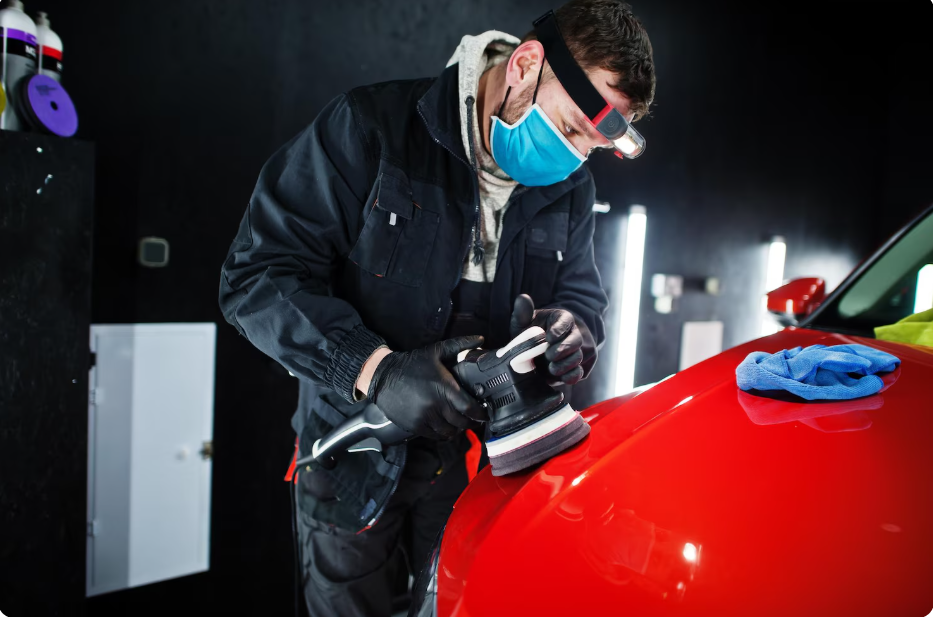
A vehicle is more than a way to get from one place to another. For many owners, it is an important expression of personal style, personality, and creativity. One of the most effective ways to transform a vehicle’s appearance is through a professionally designed custom paint job. Unlike a standard factory color, custom automotive painting gives owners the opportunity to choose unique colors, finishes, patterns, and visual effects.
Whether you want a subtle color upgrade, a complete color transformation, a classic restoration, or a bold show-car appearance, professional painting can dramatically change the way a vehicle looks.
A quality custom paint project involves much more than simply spraying a new color over an existing surface. Proper preparation, body repair, primer, color selection, application, clear coating, curing, polishing, and quality inspection all contribute to the final result. Professional automotive painting training also emphasizes surface preparation, color matching, spray techniques, paint mixing, and quality control.
This guide explains the different types of custom finishes, the painting process, important considerations, benefits, maintenance, and how to choose the right approach for your vehicle.
What Are Custom Auto Paint Jobs?
Custom auto paint jobs are specialized vehicle painting projects designed to create an appearance beyond a standard factory finish. They can involve a new color, specialty finish, graphics, two-tone designs, metallic effects, pearl finishes, or other personalized details.
A custom paint project may be performed on an entire vehicle or selected panels, depending on the owner’s goals and budget.
Popular reasons for choosing custom automotive paint include:
- Creating a unique appearance
- Changing the vehicle’s color
- Restoring faded paint
- Repairing extensive cosmetic damage
- Building a show car
- Personalizing a classic vehicle
- Matching a specific design concept
- Creating a premium or luxury appearance
- Refreshing an older vehicle
A professional custom paint job can turn an ordinary vehicle into something visually distinctive while giving the owner greater control over its appearance.
Why Choose a Custom Car Paint Job?
Factory colors are designed for broad production and mass-market appeal. Custom painting provides much greater freedom.
You can choose colors and finishes that reflect your personal preferences rather than limiting yourself to the manufacturer’s original palette.
Major benefits include:
- Greater personalization
- Wide range of colors
- Unique finishes and effects
- Improved visual appeal
- Opportunity to restore older vehicles
- Ability to create custom graphics
- Professional showroom-style appearance
- Potential enhancement of a vehicle’s presentation
Custom painting can also be particularly appealing for enthusiasts who want their vehicles to stand apart from similar models.
Popular Custom Auto Paint Finishes
One of the most exciting parts of a custom paint project is choosing the finish. Different paint systems can create dramatically different visual effects.
Metallic Paint
Metallic finishes contain reflective particles that create sparkle and depth when light hits the vehicle. They can provide a modern and premium appearance.
Pearl Paint
Pearlescent finishes can produce subtle shifts in color and a distinctive glow under different lighting conditions.
Candy Paint
Candy finishes use a translucent color effect over a reflective base. They can create exceptional visual depth but require careful professional application.
Matte Finish
Matte paint has little or no traditional gloss. It provides a sophisticated and understated appearance.
Satin Finish
Satin sits between matte and gloss. It offers some reflection while maintaining a softer appearance.
Color-Shifting Paint
Color-shifting finishes can appear to change color depending on the viewing angle and lighting conditions, creating a dramatic custom effect.
Two-Tone Paint
Two-tone designs use two complementary or contrasting colors. This approach can create a classic, sporty, or luxury appearance.
Custom Paint Finish Comparison
| Paint Finish | Appearance | Style | Maintenance Consideration |
|---|---|---|---|
| Gloss | Bright and reflective | Classic | Relatively straightforward |
| Metallic | Sparkling and dimensional | Modern | Requires careful color matching |
| Pearl | Soft color depth | Premium | Professional application recommended |
| Matte | Low reflection | Modern and bold | Special cleaning approach |
| Satin | Soft reflection | Contemporary | Requires appropriate care |
| Candy | Deep and vibrant | Show-car | Specialized application |
| Color-Shift | Changes with light | Dramatic | Professional care recommended |
The Custom Auto Painting Process
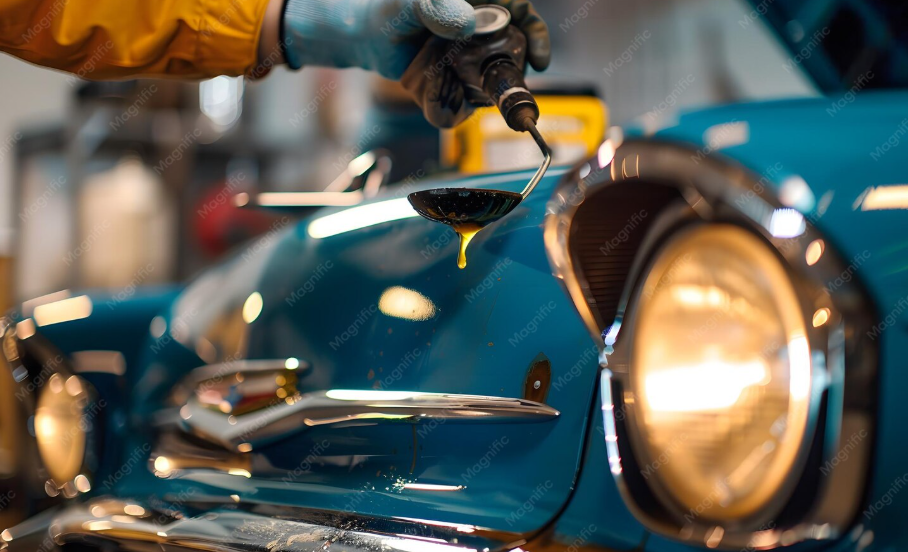
A high-quality finish depends heavily on preparation. Professional custom painting typically follows a structured process from consultation through final inspection. A current 2026 guide from an auto body shop describes stages including color planning, disassembly, body preparation, priming, basecoat application, clearcoat, curing, polishing, and reassembly.
1. Consultation and Design Planning
The project begins by discussing the desired appearance. This can include the color, finish, graphics, two-tone layout, and overall style.
It is useful to look at physical samples rather than relying exclusively on digital images because lighting and screens can change how colors appear.
2. Vehicle Inspection
The vehicle should be inspected for dents, scratches, rust, damaged panels, previous repairs, and other surface problems.
Identifying these issues before painting helps prevent imperfections from showing through the new finish.
3. Disassembly
Depending on the project, trim, badges, lights, handles, mirrors, and other components may be removed.
Proper disassembly can help create cleaner edges and a more finished appearance.
4. Body and Surface Preparation
This is one of the most important stages.
Technicians may repair dents, remove imperfections, sand old coatings, apply filler where appropriate, and prepare panels for primer.
5. Primer and Sealer
Primer helps establish a suitable foundation for the paint system. The surface is then prepared for the color coats.
6. Basecoat Application
The chosen color is applied carefully. Metallic and pearl finishes require particularly consistent application to achieve an even appearance across panels.
7. Clearcoat
A clear protective layer is generally applied over many automotive paint systems. It can add gloss, depth, and protection.
8. Curing and Finishing
After the paint cures, the finish may be inspected, refined, sanded where appropriate, and polished.
9. Final Inspection
The finished vehicle should be checked under suitable lighting for color consistency, surface quality, coverage, and imperfections.
What Makes a Professional Custom Paint Job Look Better?
A professional result depends on several factors rather than the paint color alone.
Surface Preparation
Even the most expensive paint cannot hide poor preparation. A smooth and properly prepared surface provides a better foundation for the final finish.
Color Consistency
Every panel should have a consistent appearance. Metallic and pearl colors can be particularly sensitive to application technique.
Clean Painting Environment
Dust and contaminants can create imperfections in a wet paint surface. Professional facilities use controlled environments to reduce these problems.
Proper Curing
Paint needs appropriate curing time and conditions. Rushing this stage can negatively affect the final result.
Final Polishing
Careful finishing and polishing can improve clarity and gloss after the paint has properly cured.
Full Color Change vs. Partial Custom Paint
Not every project requires painting the entire vehicle.
Full Color Change
A complete color change provides the biggest visual transformation. However, it generally requires more preparation and attention to areas such as door jambs and other visible sections.
Partial Paint
Painting selected panels can be more practical when only certain areas are damaged or when you want to introduce a contrasting design.
Two-Tone Design
Two-tone painting offers a middle ground between a single color and an elaborate custom design.
| Project Type | Best For | Complexity |
|---|---|---|
| Single-Panel Paint | Local damage or refresh | Low–Moderate |
| Partial Custom Paint | Selected design changes | Moderate |
| Two-Tone Paint | Distinctive styling | Moderate–High |
| Full Repaint | Complete transformation | High |
| Show-Car Customization | Unique visual design | Very High |
How Much Do Custom Auto Paint Jobs Cost?
There is no single price for a custom paint project. The final cost can vary significantly depending on the vehicle’s size, condition, paint type, design complexity, materials, labor, and level of finish.
Important cost factors include:
- Vehicle size
- Existing paint condition
- Number of panels
- Dent and body repairs
- Type of paint
- Specialty pigments
- Primer and clearcoat quality
- Graphics or artwork
- Disassembly requirements
- Polishing and finishing
- Labor
- Shop reputation and expertise
A simple color refresh can be considerably different from a complex show-quality custom finish.
Instead of choosing a shop based only on the lowest quote, compare the proposed process, materials, preparation, warranty, and examples of previous work.
How to Choose the Right Custom Paint Color
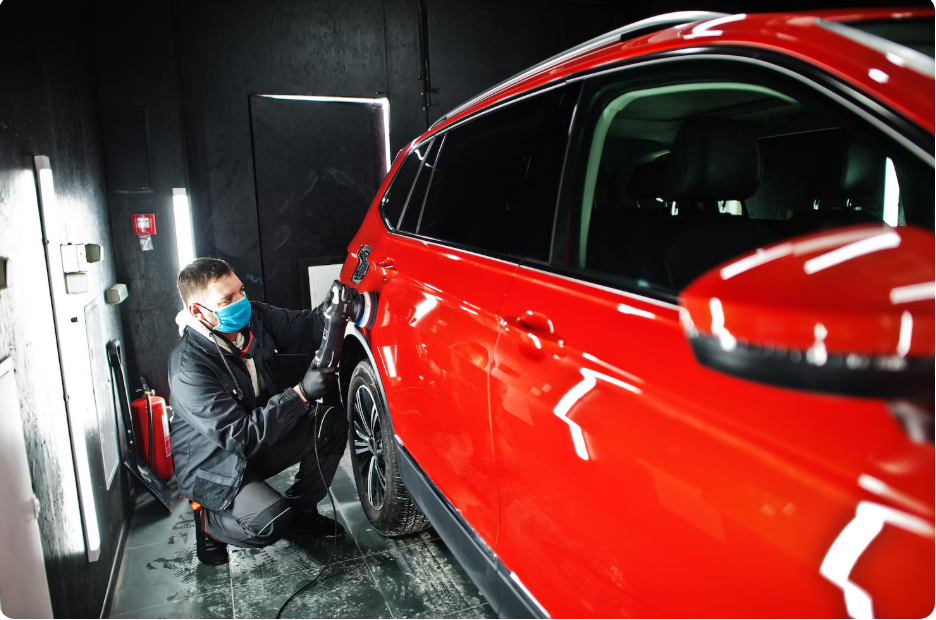
Color selection is one of the most enjoyable parts of customizing a vehicle, but it should be approached carefully.
Consider the following:
Vehicle shape:
Some colors highlight body lines more effectively than others.
Existing interior:
If the interior remains unchanged, consider whether the new exterior color complements it.
Maintenance:
Some finishes and colors can make dirt, scratches, or imperfections more noticeable.
Lighting:
Always inspect samples in different lighting conditions.
Personal style:
Choose something you will enjoy looking at for years rather than selecting a color purely because it is currently popular.
Professional automotive painting training includes color theory, lighting evaluation, spray-out testing, metallic finishes, and computerized color matching, demonstrating how much technical knowledge can be involved in achieving consistent results.
Custom Graphics and Artistic Designs
Custom painting does not have to mean changing the entire vehicle to a single color.
Some owners choose:
- Racing stripes
- Pinstriping
- Custom patterns
- Airbrushed artwork
- Logos
- Flames
- Geometric designs
- Two-tone panels
- Accent sections
These options can create a highly personalized appearance.
The more complicated the design, the more important careful planning, masking, color sequencing, and finishing become.
Custom Paint vs. Vehicle Wraps
Both painting and wrapping can personalize a vehicle, but they provide different experiences.
A custom paint job becomes part of the vehicle’s finish, while a wrap can provide a reversible customization option depending on the product and installation.
Custom paint may be preferable when:
- You want a permanent transformation.
- You want a traditional automotive finish.
- You are restoring a vehicle.
- You want specialized paint effects.
- You are building a show vehicle.
A wrap may be preferable when:
- You want temporary customization.
- You want to change the appearance without repainting.
- You want extensive graphics.
- You prefer easier future design changes.
The right choice depends on the vehicle and your long-term goals.
How to Find a Good Custom Auto Paint Shop
Choosing the right professional is one of the most important decisions.
Look for:
- A strong portfolio
- Experienced painters
- Proper preparation procedures
- Suitable painting facilities
- Clear written estimates
- Transparent material information
- Examples of similar projects
- Good customer communication
- Appropriate safety practices
- Clear expectations about timing
Ask to see completed vehicles rather than relying only on promotional photos.
Questions to Ask Before Booking
Before committing to a custom project, ask:
- What preparation is included?
- What type of paint system will be used?
- How many coats are expected?
- Is body repair included?
- Will trim and components be removed?
- What type of clearcoat will be applied?
- How long will the vehicle need to remain at the shop?
- Is polishing included?
- What warranty is offered?
- How will the final color be approved?
Clear communication can prevent misunderstandings about the final result.
Caring for a Custom Painted Vehicle
A professional paint job deserves proper maintenance.
Helpful care habits include:
- Wash the vehicle using appropriate automotive products.
- Avoid harsh household cleaners.
- Remove contaminants promptly.
- Follow the paint manufacturer’s care recommendations.
- Avoid unnecessary exposure to damaging conditions.
- Use suitable protective products.
- Be especially careful with matte finishes.
- Allow the paint to fully cure before following the shop’s recommended washing routine.
Proper care can help preserve the finish and keep the vehicle looking its best.
Common Custom Painting Mistakes to Avoid
Choosing a Shop Based Only on Price
The cheapest estimate may not include the same level of preparation or materials.
Skipping Body Repairs
Painting over dents, rust, or poorly repaired surfaces can compromise the final appearance.
Choosing a Color Without Seeing a Sample
Digital displays can make colors look different from how they appear in natural light.
Ignoring the Interior
A dramatic exterior color change may not work well with the existing interior.
Expecting Instant Results
Quality custom painting requires preparation, application, curing, inspection, and finishing.
Is a Custom Auto Paint Job Worth It?
For owners who value personalization and appearance, custom automotive painting can be a worthwhile investment. It can completely change the visual identity of a vehicle and provide an opportunity to create something unique.
The key is to focus on quality rather than simply choosing the most dramatic color or the lowest price.
A well-planned project with proper preparation, high-quality materials, skilled application, and appropriate maintenance can produce a beautiful result that remains attractive for years.
Final Thoughts
Custom auto paint jobs offer one of the most creative ways to personalize and transform a vehicle. From elegant metallic finishes and deep pearl colors to bold candy paint, matte surfaces, two-tone designs, and custom graphics, the possibilities are extensive.
However, the quality of the final result depends on much more than the color. Proper surface preparation, accurate color selection, controlled application, appropriate curing, and careful finishing all contribute to a professional appearance.
Before starting your project, establish a clear design, compare qualified professionals, understand the proposed process, and request a detailed estimate. With thoughtful planning and skilled workmanship, a custom paint project can give your vehicle a distinctive appearance while turning it into a reflection of your personal style.
Frequently Asked Questions
1. What are custom auto paint jobs?
Custom auto paint jobs are personalized vehicle painting projects that can include unique colors, specialty finishes, two-tone designs, graphics, and other visual effects beyond standard factory finishes.
2. How long does a custom car paint job take?
The time varies according to vehicle size, paint condition, body repairs, design complexity, number of coats, curing requirements, and finishing work. Simple projects can take less time than complete custom transformations.
3. What is the best paint finish for a custom car?
There is no single best finish. Gloss, metallic, pearl, matte, satin, candy, and color-shifting finishes each create different appearances. The right choice depends on your preferred style and maintenance expectations.
4. Is a professional custom paint job better than a DIY paint job?
For a high-quality vehicle finish, professional work can offer better preparation, controlled application, specialized equipment, color matching, and finishing. DIY projects can also carry a greater risk of visible imperfections if the necessary skills and environment are lacking.
5. How do I choose a good custom auto paint shop?
Review the shop’s previous work, ask about surface preparation and paint materials, request a detailed estimate, discuss the expected process, inspect examples of completed projects, and make sure both sides have clear expectations before work begins.
Read more: Auto Vibe Zone