
The automotive repair industry offers many career opportunities for people who enjoy hands-on work, vehicle restoration, problem-solving, and technical skills. From repairing dents and replacing damaged panels to painting, welding, frame repair, and collision restoration, auto body professionals play an important role in returning damaged vehicles to safe and attractive condition.
People searching for auto body job listings may find opportunities for entry-level assistants, body repair technicians, denting technicians, painters, estimators, bodyshop advisors, and experienced collision repair specialists. Current automotive job postings commonly emphasize body repair knowledge, panel alignment, welding, attention to detail, teamwork, safety, and the ability to follow repair procedures.
Whether you are starting your first automotive career or looking for a better position, understanding the different roles and qualifications can help you choose opportunities that match your skills.
What Are Auto Body Jobs?
Auto body jobs focus primarily on repairing and restoring the exterior structure and body of vehicles. These jobs are different from traditional automotive mechanic positions, which often focus more heavily on engines, transmissions, brakes, and mechanical systems.
An auto body technician may work on vehicles that have experienced collision damage, dents, scratches, damaged panels, structural problems, or other body-related issues.
Typical work can include assessing damage, removing damaged components, repairing or replacing panels, straightening body structures, preparing surfaces, welding, sanding, and coordinating with painters and other workshop employees.
Common Auto Body Job Roles
- Auto body repair technician
- Body repair assistant
- Denting technician
- Panel beater
- Auto body painter
- Collision repair technician
- Bodyshop technician
- Bodyshop advisor
- Frame repair technician
- Vehicle restoration technician
- Estimator
- Quality control inspector
Each position has different responsibilities and may require different levels of education and experience.
Types of Auto Body Job Listings
When searching through automotive employment opportunities, you may notice that job titles vary considerably between employers.
| Job Role | Main Responsibilities | Typical Skills |
|---|---|---|
| Body Repair Technician | Repair damaged body and panels | Dent repair, tools, alignment |
| Body Repair Assistant | Support technicians | Basic tools, safety, teamwork |
| Auto Body Painter | Prepare and paint surfaces | Mixing, sanding, refinishing |
| Denting Technician | Repair dents and body damage | Panel repair, hand tools |
| Frame Technician | Repair structural damage | Measuring, alignment, welding |
| Bodyshop Advisor | Manage customers and repair process | Communication, estimates |
| Collision Technician | Restore accident-damaged vehicles | Repair procedures, diagnostics |
Understanding these differences can help you avoid applying for positions that do not match your experience.
Why Choose a Career in Auto Body Repair?
Auto body repair can be a rewarding career for people who prefer practical, hands-on work.
Unlike many office-based positions, technicians spend much of their working day working directly with vehicles, tools, materials, and repair equipment.
Benefits of an Auto Body Career
- Hands-on technical work
- Opportunities to develop specialized skills
- Multiple career paths
- Potential for advancement
- Opportunities in dealerships and independent shops
- Possibility of specializing in collision repair
- Continuous learning as vehicle technology changes
- Skills that can transfer between automotive employers
The automotive body repair field also offers different levels of specialization, allowing workers to develop expertise in areas such as structural repair, welding, refinishing, aluminum repair, or manufacturer-specific procedures.
Qualifications for Auto Body Jobs
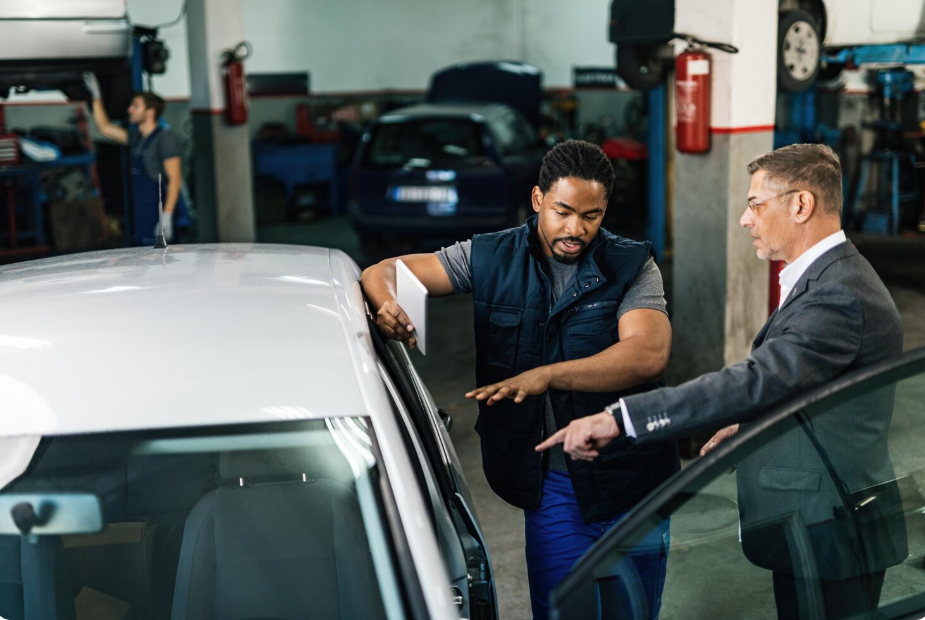
Requirements depend on the employer and position.
Entry-level roles may have relatively limited educational requirements, while experienced technician positions may request vocational training, certifications, or several years of practical experience.
In India, the Automotive Skills Development Council lists specific qualification pathways for automotive body repair technicians and body repair assistants. Requirements can include combinations of school education, ITI training, relevant experience, or recognized skill certifications.
Useful Educational Backgrounds
- ITI automotive or body repair training
- Diploma in automobile engineering
- Mechanical training
- Automotive vocational programs
- Recognized body repair certifications
- Practical workshop training
For beginners, practical training can be especially valuable because auto body repair depends heavily on hands-on ability.
Skills Employers Look For
Technical knowledge is only one part of becoming a successful auto body technician.
Employers also want people who can work safely, accurately, and efficiently.
Important Skills
Body repair skills: Understanding how to repair dents, panels, and damaged body components.
Tool knowledge: Knowing how to safely use hand and power tools.
Welding: Understanding appropriate welding techniques for relevant vehicle materials.
Attention to detail: Ensuring panels, gaps, surfaces, and finishes meet quality expectations.
Problem-solving: Determining the best way to repair damaged components.
Teamwork: Working with painters, estimators, mechanics, advisors, and other technicians.
Time management: Completing work efficiently while maintaining quality.
Safety awareness: Following workshop safety procedures and manufacturer repair guidelines.
Current job descriptions frequently emphasize attention to detail, technical ability, teamwork, safety, and efficient work habits.
Entry-Level Auto Body Job Opportunities
If you are new to the automotive industry, an assistant position can be a useful starting point.
An auto body repair assistant may help experienced technicians with basic preparation, parts handling, tool organization, vehicle disassembly, cleaning, and other workshop tasks.
The Automotive Skills Development Council recognizes an Automotive Body Repair Assistant role that supports specialists with denting-related and body repair work.
How Beginners Can Get Started
- Complete an automotive training course.
- Consider ITI body repair training.
- Apply for assistant positions.
- Look for apprenticeships.
- Gain experience in a local body shop.
- Learn basic workshop safety.
- Practice using appropriate tools.
- Build relationships with experienced technicians.
- Continue learning through practical work.
You do not need to master every repair technique before applying for your first position.
Auto Body Painter Jobs
Painting is another important career path within the body repair industry.
Auto body painters prepare repaired surfaces, apply primers and paint, perform finishing work, and inspect the final appearance.
The role requires good hand-eye coordination, patience, attention to color and surface quality, and careful adherence to safety procedures. Automotive Skills Development Council standards for body painting also emphasize preparation, painting, touch-up, inspection, quality, and safety.
If you enjoy detailed finishing work and have an interest in color and appearance, automotive painting may be a suitable specialization.
Collision Repair Technician Jobs
Collision repair technicians deal with vehicles that have suffered accident damage.
Their work may include:
- Damage assessment
- Vehicle disassembly
- Panel repair
- Panel replacement
- Structural repair
- Welding
- Frame alignment
- Surface preparation
- Reassembly
- Quality inspection
Experienced collision technicians may work with metal, aluminum, plastic, composite materials, and structural components depending on the vehicle and repair.
Auto Body Jobs at Dealerships
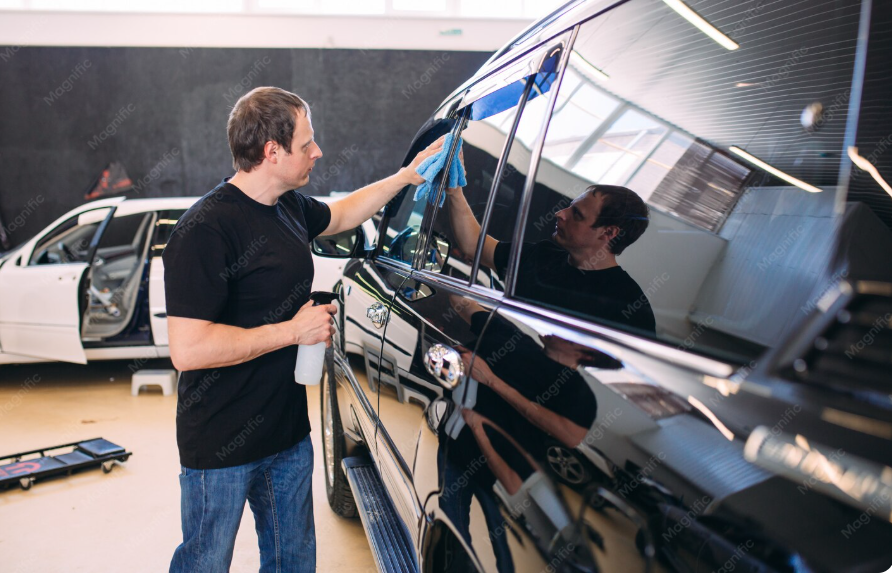
Dealership body shops can be an attractive option for technicians who want manufacturer-focused experience.
Depending on the dealership, employees may work with specific vehicle brands and follow manufacturer repair procedures.
Some dealership positions also involve coordination between technicians, bodyshop advisors, painters, estimators, parts departments, and insurance representatives.
A recent bodyshop technician listing in India, for example, requested practical body repair experience, knowledge of denting and panel replacement, and the ability to work according to quality and safety requirements.
Independent Body Shops
Independent collision repair shops can provide a different working environment.
Because these businesses may work on multiple vehicle brands, technicians can gain experience with different body designs, materials, repair methods, and customer requirements.
For someone building a career, this variety can be valuable.
When evaluating an independent shop, consider:
- Training opportunities
- Available equipment
- Workshop safety
- Type of vehicles serviced
- Experience of senior technicians
- Pay structure
- Working hours
- Career advancement
- Quality standards
A good working environment can make a major difference to long-term career development.
How to Search Auto Body Job Listings
A successful job search usually involves more than typing a keyword into one job website.
Search using several related terms because employers may use different job titles for similar positions.
Useful Search Terms
- Auto body technician jobs
- Automotive body repair jobs
- Collision repair technician jobs
- Bodyshop technician jobs
- Denting technician jobs
- Panel beater jobs
- Auto body painter jobs
- Automotive body repair assistant jobs
- Bodyshop advisor jobs
- Vehicle restoration jobs
Job boards can also provide alerts when new positions matching your skills become available. Current listings show that automotive body-related opportunities can appear across technician, painter, mechanic, and service roles.
Create a Strong Auto Body Resume
Your resume should clearly communicate what you can do.
Avoid writing only general statements such as “experienced auto worker.” Instead, list specific skills and responsibilities.
Include Skills Such As
- Dent repair
- Panel replacement
- Body alignment
- Welding
- Surface preparation
- Sanding
- Painting
- Frame repair
- Vehicle disassembly
- Vehicle reassembly
- Hand and power tools
- Damage assessment
- Workshop safety
If you have worked on specific vehicle types or brands, mention that experience when relevant to the position.
Prepare for the Interview
An auto body interview may include questions about your technical experience and your approach to repair work.
The employer may ask you to explain how you would approach a damaged panel, prepare a vehicle for painting, or determine whether a component should be repaired or replaced.
Interview Tips
- Be honest about your experience.
- Explain your repair process clearly.
- Mention relevant training.
- Discuss safety procedures.
- Give examples of difficult repairs you have completed.
- Show that you can work as part of a team.
- Demonstrate willingness to learn.
- Ask questions about training and career development.
Good communication can be just as important as technical ability in a busy body shop.
Certifications and Continued Training
Automotive technology continues to develop, so experienced technicians can benefit from ongoing education.
Specialized training may cover:
- Welding
- Structural repair
- Aluminum repair
- Advanced materials
- Manufacturer repair procedures
- Collision repair technology
- Painting and refinishing
- Vehicle safety systems
Industry certifications can help demonstrate competence and may improve access to specialized positions.
The more specialized your skill set becomes, the more opportunities you may have to move into advanced technician or supervisory roles.
What Is the Work Environment Like?
Auto body technicians generally work in repair facilities or body shops. The work is hands-on and can involve standing, bending, kneeling, lifting, sanding, welding, and working in different positions throughout the day.
Because technicians use tools, chemicals, paints, welding equipment, and other potentially hazardous materials, workplace safety is extremely important.
A clean and organized work area can also improve efficiency and reduce the risk of accidents.
Career Growth in Auto Body Repair
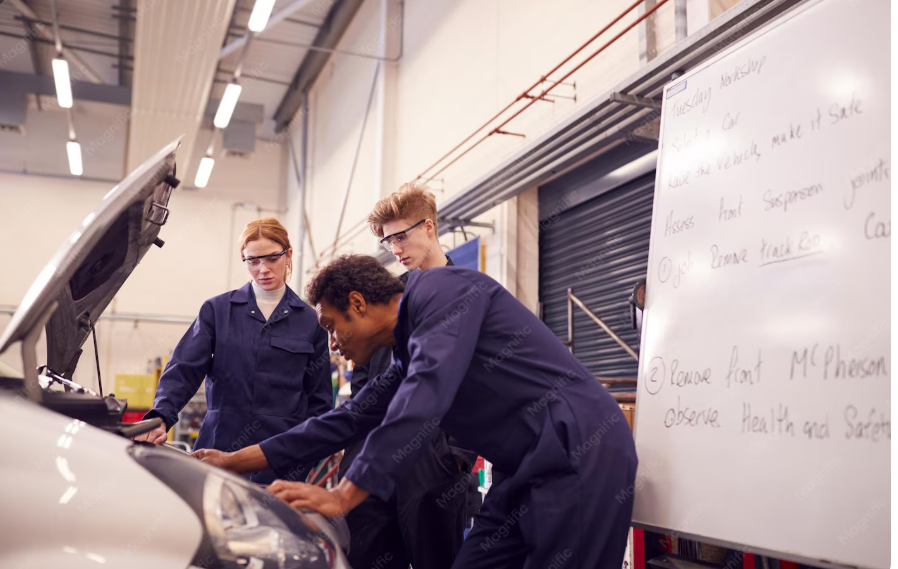
An entry-level job does not have to be the end of your career path.
With experience and training, you may progress from assistant to technician, then specialize or move into supervisory positions.
| Career Stage | Possible Roles | Development Focus |
|---|---|---|
| Beginner | Body Repair Assistant | Basic tools and safety |
| Early Career | Junior Technician | Denting and panel repair |
| Experienced | Body Repair Technician | Advanced repairs |
| Specialist | Structural/Welding Technician | Specialized repair |
| Senior | Lead Technician | Complex repairs and mentoring |
| Management | Supervisor/Bodyshop Manager | Team and operations management |
Experienced professionals may also move toward estimating, training, production management, or workshop leadership.
Common Mistakes When Applying for Auto Body Jobs
Job seekers sometimes focus entirely on the job title and overlook the actual requirements.
Avoid these mistakes:
- Applying without reading the full listing.
- Overstating your experience.
- Leaving technical skills off your resume.
- Ignoring safety requirements.
- Failing to mention training.
- Not preparing for practical interview questions.
- Applying only to one type of employer.
- Refusing to learn new repair techniques.
- Focusing on speed instead of quality.
A strong application should show that you understand both the technical and professional sides of the job.
Final Thoughts
Searching through auto body job listings can open the door to a practical and rewarding automotive career. Whether you are interested in dent repair, collision restoration, welding, painting, structural repair, or bodyshop management, there are several paths available.
The best way to improve your opportunities is to build a strong foundation of practical skills, safety awareness, technical knowledge, and professional experience. Entry-level applicants can start with assistant roles or vocational training, while experienced technicians can pursue specialized positions and leadership opportunities.
Keep your resume focused on specific abilities, search using multiple job titles, and continue developing your skills as vehicle technology changes. With dedication and hands-on experience, an entry-level position can become the starting point for a long-term career in automotive body repair.
FAQs About Auto Body Job Listings
1. What qualifications are needed for auto body jobs?
Requirements vary by employer. Entry-level roles may require basic education and practical training, while technician positions may prefer ITI, diploma, certification, and relevant body repair experience.
2. Can I get an auto body job without experience?
Yes. Beginners can look for body repair assistant, trainee, or apprenticeship positions. Automotive training and hands-on experience can improve your chances of securing a first job.
3. What skills are important for an auto body technician?
Important skills include dent repair, panel replacement, welding, body alignment, tool handling, surface preparation, attention to detail, problem-solving, teamwork, and workshop safety.
4. Where can I find auto body job listings?
You can search general employment websites, automotive job boards, dealership career pages, independent body shops, service centers, and professional networking platforms.
5. How can I advance my auto body repair career?
Gain practical experience, pursue relevant training and certifications, specialize in areas such as structural repair or welding, and develop strong diagnostic, quality-control, communication, and leadership skills.
Read more: How Ford Infotainment Enhances Safety