
Automotive Dealership Jobs: A Complete Guide to Career Opportunities, Skills, and Career Growth
The automotive industry offers a wide range of career opportunities for people with different skills, interests, and professional backgrounds. While many people think of car dealerships primarily as places to purchase vehicles, modern dealerships depend on large teams of professionals to manage sales, service, finance, customer relationships, administration, inventory, and daily operations.
For people interested in automobiles, customer service, business, sales, or technical work, automotive dealership jobs can provide a variety of career paths. Some positions require specialized training or previous experience, while others offer opportunities for entry-level candidates who are willing to learn.
Understanding the different roles available at a dealership can help job seekers identify positions that match their skills, personality, career goals, and professional interests.
What Are Automotive Dealership Jobs?
Automotive dealership jobs include the many positions required to operate a vehicle dealership successfully. These jobs are not limited to salespeople or automotive technicians.
A dealership may employ professionals in areas such as:
- Vehicle sales
- Automotive service
- Parts management
- Finance
- Customer service
- Marketing
- Administration
- Inventory management
- Management
- Detailing and vehicle preparation
- Reception and office support
Because dealerships combine automotive knowledge with customer-facing business operations, employees can develop skills in both the automotive and commercial sides of the industry.
Why Consider a Career at an Automotive Dealership?
Working at a dealership can provide exposure to several areas of the automotive business. Depending on the position, employees may interact with customers, vehicles, technicians, manufacturers, suppliers, or management teams.
Variety of Career Opportunities
One of the biggest advantages is the variety of positions available. Someone who enjoys working with customers may prefer sales or customer service, while someone interested in mechanical work may pursue a technician position.
Opportunities to Learn
The automotive industry continues to evolve with new vehicle technologies, diagnostic systems, software, electric vehicles, and advanced safety features. Dealership employees can have opportunities to develop new knowledge throughout their careers.
Potential for Career Advancement
Many dealership careers provide pathways from entry-level positions to more advanced responsibilities. Employees who develop strong technical, customer service, leadership, or business skills may eventually move into supervisory or management roles.
Common Types of Automotive Dealership Jobs
There is no single career path within a dealership. Different departments require different skills and responsibilities.
Automotive Sales Consultant
Sales consultants work directly with customers who are interested in purchasing vehicles. Their responsibilities may include explaining vehicle features, arranging test drives, discussing available options, and assisting customers throughout the purchasing process.
Strong communication skills are particularly important because sales professionals need to understand customer requirements and explain vehicle information clearly.
Automotive Technician
Automotive technicians diagnose and repair vehicles. Their work may include inspections, maintenance, electrical diagnosis, engine-related repairs, brake service, suspension work, and other technical tasks.
Modern technicians may also need to understand computerized diagnostic systems and advanced vehicle technology.
Service Advisor
A service advisor acts as a connection between customers and the service department.
They may discuss vehicle concerns with customers, explain recommended services, prepare repair estimates, communicate updates, and help coordinate service appointments.
Parts Specialist
Parts professionals help identify, order, organize, and distribute vehicle parts. They may work closely with technicians, service advisors, suppliers, and customers.
Attention to detail is important because selecting the correct component is essential for efficient vehicle repair.
Finance and Insurance Professional
Finance professionals help customers understand financing options, contracts, protection products, and other aspects of the vehicle purchase process.
This position generally requires strong communication skills, attention to detail, and an understanding of financial documentation.
Detailer
Vehicle detailers clean and prepare vehicles for customers, display areas, demonstrations, and deliveries. Their work can include washing, vacuuming, interior cleaning, polishing, and other preparation tasks.
| Dealership Role | Primary Responsibility | Useful Skills |
|---|---|---|
| Sales Consultant | Vehicle sales and customer assistance | Communication, sales |
| Technician | Vehicle diagnosis and repair | Technical knowledge |
| Service Advisor | Customer-service coordination | Organization, communication |
| Parts Specialist | Parts identification and management | Attention to detail |
| Finance Professional | Financing and documentation | Financial and communication skills |
| Detailer | Vehicle preparation and cleaning | Practical skills, attention to detail |
| Receptionist | Customer and administrative support | Organization, customer service |
Entry-Level Automotive Dealership Jobs

Not every dealership position requires years of experience. Several roles may provide opportunities for people starting their careers.
Entry-level positions can include:
- Receptionist
- Lot attendant
- Vehicle porter
- Junior sales associate
- Customer service representative
- Detailer
- Administrative assistant
- Parts assistant
These positions can help employees become familiar with dealership operations while developing professional skills.
How to Get Started
If you have limited automotive experience, focus on transferable skills. Customer service, communication, organization, punctuality, teamwork, and willingness to learn can be valuable qualities.
A strong resume should clearly explain previous responsibilities and highlight skills that can transfer to a dealership environment.
Skills Employers Look For
Different jobs require different qualifications, but several skills are useful across dealership departments.
Communication
Dealership employees interact with customers, coworkers, managers, technicians, vendors, and other professionals. Clear communication can help prevent misunderstandings and improve the customer experience.
Customer Service
Many dealership positions involve direct customer interaction. Employees should be able to listen carefully, answer questions, explain information, and maintain a professional attitude.
Organization
Dealerships manage large amounts of information, including customer records, vehicle details, appointments, repair orders, inventory, and financial documentation.
Strong organizational skills can help employees manage these responsibilities effectively.
Automotive Knowledge
Automotive knowledge is particularly important for technical and service-related positions. However, even employees outside the service department can benefit from understanding basic vehicle terminology and features.
Technology Skills
Modern dealerships rely on digital systems for inventory, customer relationship management, scheduling, communication, diagnostics, and documentation.
Comfort with technology can therefore be useful in many dealership positions.
Automotive Technician Career Opportunities
For people who enjoy mechanical and technical work, dealership service departments can provide specialized career opportunities.
Technicians may work on:
- Engines
- Braking systems
- Suspension
- Steering
- Electrical systems
- Heating and air conditioning
- Diagnostic systems
- Safety technologies
- Hybrid systems
- Electric vehicle systems
As vehicle technology becomes increasingly sophisticated, technicians may need ongoing education and technical training.
Sales Careers in Automotive Dealerships
Sales can be an attractive area for individuals who enjoy meeting people, discussing vehicles, and working toward business goals.
A successful sales professional needs more than knowledge about cars. They also need to understand customer needs, explain options clearly, organize follow-ups, and maintain professional relationships.
Important Sales Skills
Key skills include:
- Active listening
- Product knowledge
- Communication
- Customer relationship management
- Time management
- Negotiation
- Follow-up
- Professionalism
- Goal management
Building trust is particularly important because purchasing a vehicle is a significant decision for many customers.
Service Department Career Paths
The service department is one of the most important parts of a dealership.
A typical service operation may include technicians, service advisors, parts specialists, managers, warranty personnel, and support staff.
Employees can develop specialized expertise while working with different vehicle systems and technologies.
With experience and additional training, some professionals may move into supervisory or management responsibilities.
How to Prepare for Automotive Dealership Jobs
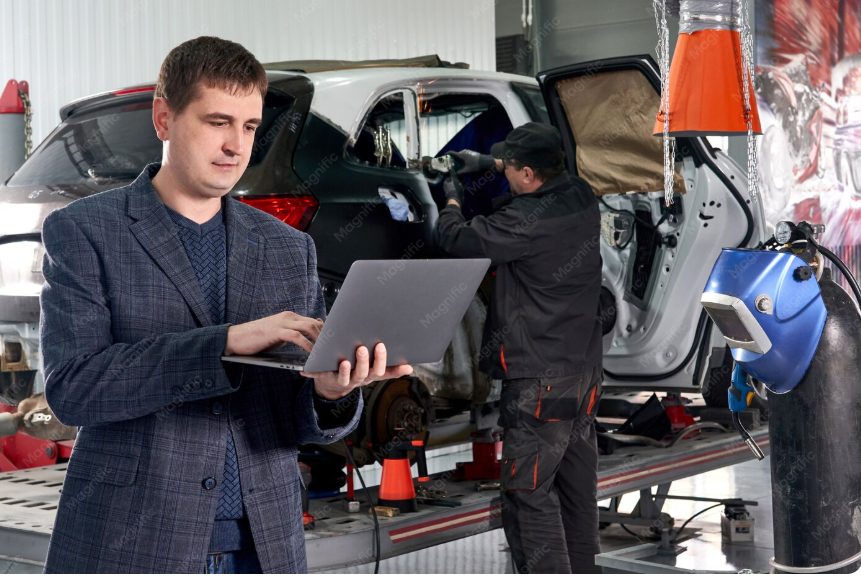
Preparing for a dealership career starts with identifying the type of work you want to pursue.
Build a Strong Resume
Your resume should highlight relevant experience, education, certifications, technical abilities, customer service experience, and transferable skills.
Even if you have never worked in a dealership, experience in retail, hospitality, mechanical work, administration, sales, or customer support may be relevant to certain positions.
Develop Automotive Knowledge
You do not necessarily need to be an automotive expert for every dealership position. However, learning basic vehicle terminology, maintenance concepts, and current automotive technologies can help you feel more confident.
Prepare for Interviews
Be ready to discuss your previous experience, communication skills, work habits, ability to learn, and reasons for wanting to work in the automotive industry.
For technical positions, employers may also evaluate practical knowledge and qualifications relevant to the role.
Education and Training for Dealership Careers
The education required depends on the position.
Some administrative, sales, and support roles may focus more heavily on communication and practical experience. Technical positions may require specialized education, certifications, apprenticeships, or manufacturer-specific training.
| Career Area | Typical Preparation | Important Skills |
|---|---|---|
| Sales | Customer service or sales experience | Communication, product knowledge |
| Service Advisor | Automotive and customer-service knowledge | Organization, communication |
| Technician | Technical training and certifications | Diagnostics, repair |
| Parts | Product and inventory knowledge | Accuracy, organization |
| Finance | Financial and dealership training | Documentation, communication |
| Administration | Office experience | Computer and organizational skills |
How to Stand Out When Applying
Competition for dealership positions can vary by role and location. A strong application should clearly demonstrate what you can contribute.
Highlight Relevant Experience
Connect previous work experience to the dealership position. For example, retail experience can demonstrate customer service and communication skills, while mechanical experience can demonstrate technical abilities.
Demonstrate Reliability
Dealerships depend on employees working effectively as a team. Punctuality, professionalism, and consistent performance can be valuable qualities.
Show Willingness to Learn
Automotive technology changes over time. Employers may value candidates who demonstrate curiosity and a willingness to develop new skills.
Career Growth in Automotive Dealerships
A dealership career does not necessarily have to remain in one position.
Employees may develop experience and move into roles with greater responsibility.
For example, a technician may progress toward a senior technical role or service management. A sales consultant may move into a sales leadership position. A service advisor may pursue management responsibilities.
Career development depends on individual skills, training, performance, experience, and available opportunities.
Benefits of Building a Dealership Career

Potential advantages include:
- Multiple career paths
- Opportunities to develop professional skills
- Exposure to automotive technology
- Customer-facing experience
- Technical learning opportunities
- Potential advancement into management
- Experience in sales and business operations
- Opportunities to specialize
- Team-based work environments
- Transferable professional skills
Tips for Succeeding in an Automotive Dealership
Once you begin working at a dealership, continued professional development can help you build your career.
Learn the products and services associated with your department. Maintain clear communication with coworkers and customers. Stay organized and follow dealership procedures carefully.
If you work in a technical position, keep learning about new vehicle systems and diagnostic technologies. If you work in sales or customer service, continue improving communication and product knowledge.
Most importantly, understand how your role contributes to the dealership as a whole. Sales, service, parts, finance, and administration are interconnected, and effective teamwork can improve overall operations.
The Future of Automotive Dealership Careers
The automotive industry continues to change as manufacturers introduce new technologies and consumers adopt different vehicle options.
Electric vehicles, hybrid systems, advanced driver-assistance features, connected vehicle technologies, digital retailing, and computerized diagnostics are changing the skills required across the industry.
This means dealership employees may increasingly benefit from technology awareness and continuous learning.
The core importance of customer service, communication, technical expertise, and professional reliability, however, remains relevant across many dealership roles.
Final Thoughts
Automotive dealership jobs offer a wide range of career possibilities for people interested in vehicles, customer service, sales, technology, administration, and technical work. From entry-level support positions to specialized technician and management careers, dealerships require professionals with many different skills.
The best way to begin is to identify the type of work that interests you, understand the qualifications involved, and build a resume around your relevant skills and experience. Whether you are interested in working directly with vehicles or prefer sales, finance, customer service, or administration, there may be a dealership career path that matches your professional goals.
With the automotive industry continuing to evolve, employees who remain adaptable, organized, customer-focused, and willing to learn can continue developing valuable skills throughout their careers.
Frequently Asked Questions
1. What are the most common automotive dealership jobs?
Common positions include sales consultants, automotive technicians, service advisors, parts specialists, finance professionals, detailers, receptionists, administrators, and dealership managers.
2. Can I get an automotive dealership job without experience?
Yes. Some entry-level positions may not require previous dealership experience. Customer service, communication, organization, reliability, and willingness to learn can be useful when applying for entry-level roles.
3. What skills are important for automotive dealership jobs?
Important skills vary by position but can include communication, customer service, automotive knowledge, organization, technology skills, teamwork, attention to detail, and problem-solving.
4. Do automotive dealership technicians need special training?
Many technical positions require specialized automotive education, practical training, certifications, or manufacturer-specific training. Requirements can vary depending on the role and employer.
5. Can automotive dealership jobs lead to management careers?
Yes. Employees can potentially progress into supervisory or management roles as they gain experience, develop leadership skills, complete relevant training, and take on greater responsibilities.
Read more: Car Jobs: Career Opportunities, Skills,